Quick answer: Living in Capitol Hill Seattle is a good fit if you want to walk to errands, parks, cafes and light rail, and you accept hills, limited street parking and higher costs than much of the city. Walk Score rates Capitol Hill a Walker’s Paradise, and the downsides are mostly noise on the busier west side, parking pressure and the price of being central. The north end around 15th Avenue East offers much of the walkability with a calmer pace.

Is Capitol Hill a good place to live?
Yes for renters who value walking, transit and variety, and less so for anyone who needs easy street parking or total quiet. Capitol Hill is dense by Seattle standards, and it works best when you build your daily life around your feet, a bike and the bus or light rail.
Before you decide, separate what you can verify from what is a matter of taste. Walkability, transit access and parking pressure are measurable, and the sources below give numbers for each. Noise, pace and street character depend on the block and the hour, so visit the address on a weekday morning and again on a weekend evening. The same neighborhood can feel very different on the north end around 15th Avenue East and near Pike/Pine, which is why this guide compares both.
Walk Score’s Capitol Hill page says daily errands do not require a car and notes excellent public transportation. The same site gives 605 15th Avenue East a score of 92 out of 100, and notes that the average Walk Score in Seattle is 74. That gap is a large part of why people choose the neighborhood.
What are the pros of living in Capitol Hill Seattle?
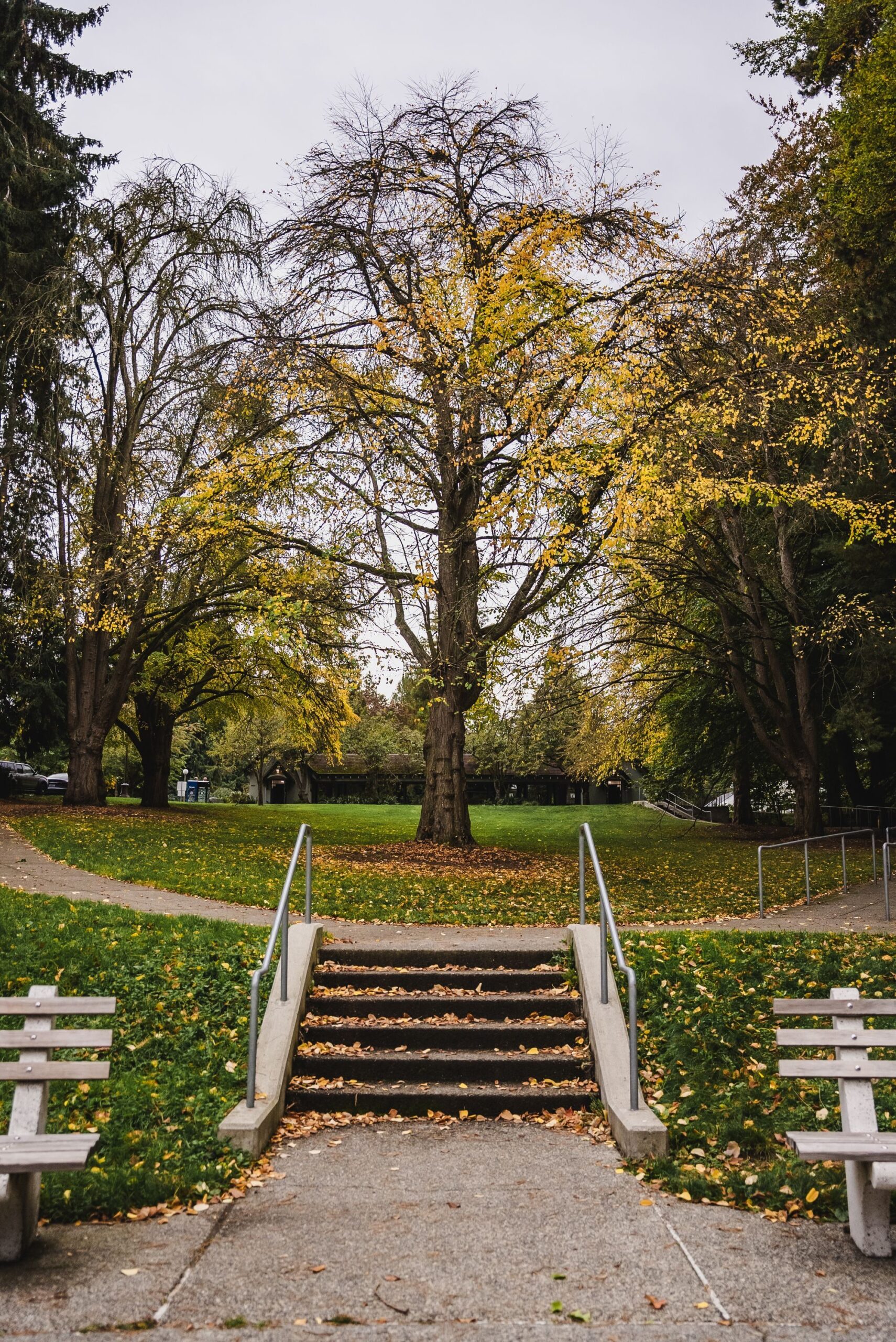
The main pros are walkability, transit, green space and a deep mix of food, coffee and culture. Each one is concrete and easy to check.
Walkability and transit
Walk Score describes 605 15th Avenue East as having excellent transit and says the address is a 15 minute walk from the Capitol Hill light rail station. The Fifteen’s neighborhood page says Metro Route 10 runs along 15th Avenue East to downtown, and the 1 Line takes about 5 minutes to downtown Westlake and about 5 minutes to the University of Washington. Our Bus 10 and light rail guide shows how that works day to day. Schedules are on the King County Metro Route 10 page and the Sound Transit 1 Line page.
Parks and green space
Volunteer Park is open from 6 a.m. to 10 p.m., per the Seattle Parks page, and it is about a 5 to 10 minute walk north of The Fifteen. Cal Anderson Park sits on the busier side of the hill. See our guides to parks and trails north of Capitol Hill and the Washington Park Arboretum.
Food, coffee and everyday services
The north end has independent cafes, small restaurants and services along 15th Avenue East, as covered in our posts on coffee shops, brunch and grocery stores. The Fifteen’s neighborhood page lists a Safeway at 15th Avenue East and East John Street, and says most weekday errands can be done on foot.
What are the cons of living in Capitol Hill?
The main cons are noise near nightlife, difficult parking, hills and rain, and cost. None is a dealbreaker for everyone, but you should weigh each against your routine before you sign a lease.
Noise and nightlife
The western blocks near Pike/Pine and Broadway have the neighborhood’s bars and late night venues. That energy is a plus for some renters and a minus for light sleepers. The Fifteen’s neighborhood page says the north end keeps a calmer pace than the blocks to the southwest. If quiet matters, see our post on quiet apartments on North Capitol Hill, and visit any building on a weekend evening.
Parking
Street parking is limited. SDOT’s Community Access and Parking Program page says that on and around 15th Avenue East, on-street parking was above 90% full most of the day and over 100% in the afternoon before paid parking was added in 2023. If you own a car, ask any building about its own parking, and see our apartments with parking guide.
Hills and weather
Seattle’s wet season and the neighborhood’s slopes mean you will sometimes walk in the rain or uphill. A rain jacket and a bike that handles gears help. On wet days, parks and indoor options still work, as in our Volunteer Park rainy day guide.
Is Capitol Hill, Seattle expensive to live in?
Seattle overall is a high cost city, and Capitol Hill’s central, walkable location means it is generally not a budget neighborhood. The city’s Office of Planning and Community Development reports a household median income of $118,745, with 58.1% of households renting, on its About Seattle page.
Citywide numbers do not tell you what a specific Capitol Hill building costs, and we do not publish rents in this article. Ask for current pricing and a written list of fees for each building you compare. Our post on MFTE apartments in Seattle explains the city program that sets income based rents in some buildings, and the move in costs page shows what to plan for. The city figures above may be updated, so check the latest numbers before you decide.
How does the north end compare with Pike/Pine and Broadway?
The north end is calmer, greener and more residential, while Pike/Pine and Broadway are busier, closer to nightlife and louder at night. All three sit on the same hill and within a short ride of each other, so the choice is mainly about the pace outside your door.
| Factor | North end (15th Ave E) | Pike/Pine and Broadway |
|---|---|---|
| Pace | Calmer, per The Fifteen’s neighborhood page | Busier, with late night venues |
| Green space | Volunteer Park, Interlaken Park, the Arboretum | Cal Anderson Park |
| Main street | Independent cafes, small restaurants, daily services | Bars, restaurants and Broadway Market |
| Light rail | About a 12 to 15 minute walk to Capitol Hill station | Closer to the station |
| Sound at night | Quieter side streets | More activity, especially weekends |
| Parking | Paid and limited on 15th Ave E, ask buildings about their own | Also limited, ask buildings about their own |
Who should consider living on Capitol Hill?
Capitol Hill suits people whose routine centers on walking, transit and being close to things, and it suits different lifestyles on different parts of the hill. Think about how you want evenings and weekends to feel.
- If you want to run, walk or ride on park trails, the north end puts Volunteer Park, Interlaken Park and the Arboretum nearby.
- If you want a quiet street to come home to, the north end fits better than the blocks near nightlife.
- If you want to be steps from bars and music, look closer to Pike/Pine and Broadway.
- If you work from home and want green space outside the door, the north end suits that routine.
- If you commute by light rail, check the walk to the station for each address.
A simple test helps here. Write down your three most frequent trips, such as work, groceries and a weekend outing, and time each one from the address you are considering. A home that makes those three trips easy is usually the right neighborhood fit, whatever the labels say. Then add what you cannot change, such as a car, a pet or a sensitivity to noise, and see which part of the hill handles those best.
For help narrowing options, read our guide to choosing an apartment on North Capitol Hill and the renter’s guide to living on North Capitol Hill.
Living on the north end at The Fifteen
The Fifteen is at 605 15th Avenue East on the quieter northern side of Capitol Hill, and its neighborhood page describes a walkable main street, tree lined residential blocks and three large parks close at hand. The building offers studio, open one bedroom, two bedroom and two bedroom loft homes.
The amenities page lists a rooftop garden terrace, controlled access car parking, controlled access bike storage, floor to ceiling windows, a washer and dryer, Energy Star appliances, pet friendly living and a 92 Walk Score. The neighborhood page adds Bar Cantinetta, which it says opened in 2025 a block north, the Seattle Asian Art Museum and Conservatory in Volunteer Park, and Kaiser Permanente’s Capitol Hill campus a few blocks away. Interlaken Park is just northeast, and the Washington Park Arboretum is about a 20 minute walk or bike ride through it.
See how the street works in our 15th Avenue East guide, and how the area works for commuters in our post on Seattle neighborhoods for young professionals.
Frequently Asked Questions
Is Capitol Hill a good neighborhood?
Yes. Capitol Hill is a good neighborhood for renters who want to walk, use transit and be near parks, cafes and culture. Walk Score ranks it 8th most walkable in Seattle. It is less suited to people who need easy street parking or very quiet surroundings on the busiest blocks.
Is Capitol Hill, Seattle expensive to live?
Yes, it is generally expensive: Capitol Hill is a central, walkable neighborhood in Seattle, a high cost city, so it is not a low cost choice. Prices vary by building, so ask each one for current pricing and fees in writing.
What is the Walk Score for apartments near 15th Ave E in Capitol Hill?
The Walk Score for 605 15th Avenue East is 92 out of 100, which Walk Score calls a Walker’s Paradise. The Fifteen’s amenities page also shows 92, though its sustainability page lists 91, so the score can vary slightly by update.
What is the difference between North Capitol Hill and the rest of the neighborhood?
The north end sits around 15th Avenue East, with a calmer pace and more parks. The southwest blocks are busier and closer to nightlife. Both are walkable.
Do you need a car in Capitol Hill?
No, many Capitol Hill residents do not need a car, because Walk Score says daily errands do not require one and light rail and Metro Route 10 serve the north end. If you own a car, ask about parking before you sign.
Is the rain a problem when moving to Capitol Hill, Seattle?
No, rain is manageable on Capitol Hill, though you will walk in it during Seattle’s wet season as in most of the city. Parks, cafes, the Conservatory and light rail keep wet days workable, and a good jacket goes a long way.
How far is light rail from the north end?
The Fifteen’s neighborhood page puts the Capitol Hill station at about a 12 to 15 minute walk, or a short bus ride down 15th Avenue East.
Deciding if Capitol Hill fits your routine
Capitol Hill rewards renters who want to walk, ride and be close to things, and it asks for some patience with parking, hills and noise on the busiest blocks. The north end offers a calmer version of the same neighborhood. Check each fact that matters to you, such as walking time, parking and cost, directly with the building before you decide. Figures here come from public sources and may change.
If you want to see the north end for yourself, contact The Fifteen or call 206-489-2747 to ask questions and arrange a tour.

