Quick answer: A Seattle RPZ permit lets residents of a Restricted Parking Zone park on the street longer than the posted time limit. The Seattle Department of Transportation (SDOT) charges a standard $95 per vehicle for a two-year cycle, requires a vehicle registered in your name at your address, and takes applications online through the Seattle Services Portal. North Capitol Hill is listed by SDOT as Zone 12 and the rest of Capitol Hill as Zone 4, so check your exact block on the city’s lookup tool before you apply.
What is a Seattle RPZ permit?
A Restricted Parking Zone permit is a digital permit that exempts your vehicle from the posted time limit on RPZ blocks near your home. SDOT created the program to reduce all day commuter parking near hospitals, universities, business districts and light rail stations. On the city’s RPZ permits page, SDOT explains that vehicles without a permit can still park in the zone, but only up to the posted limit.
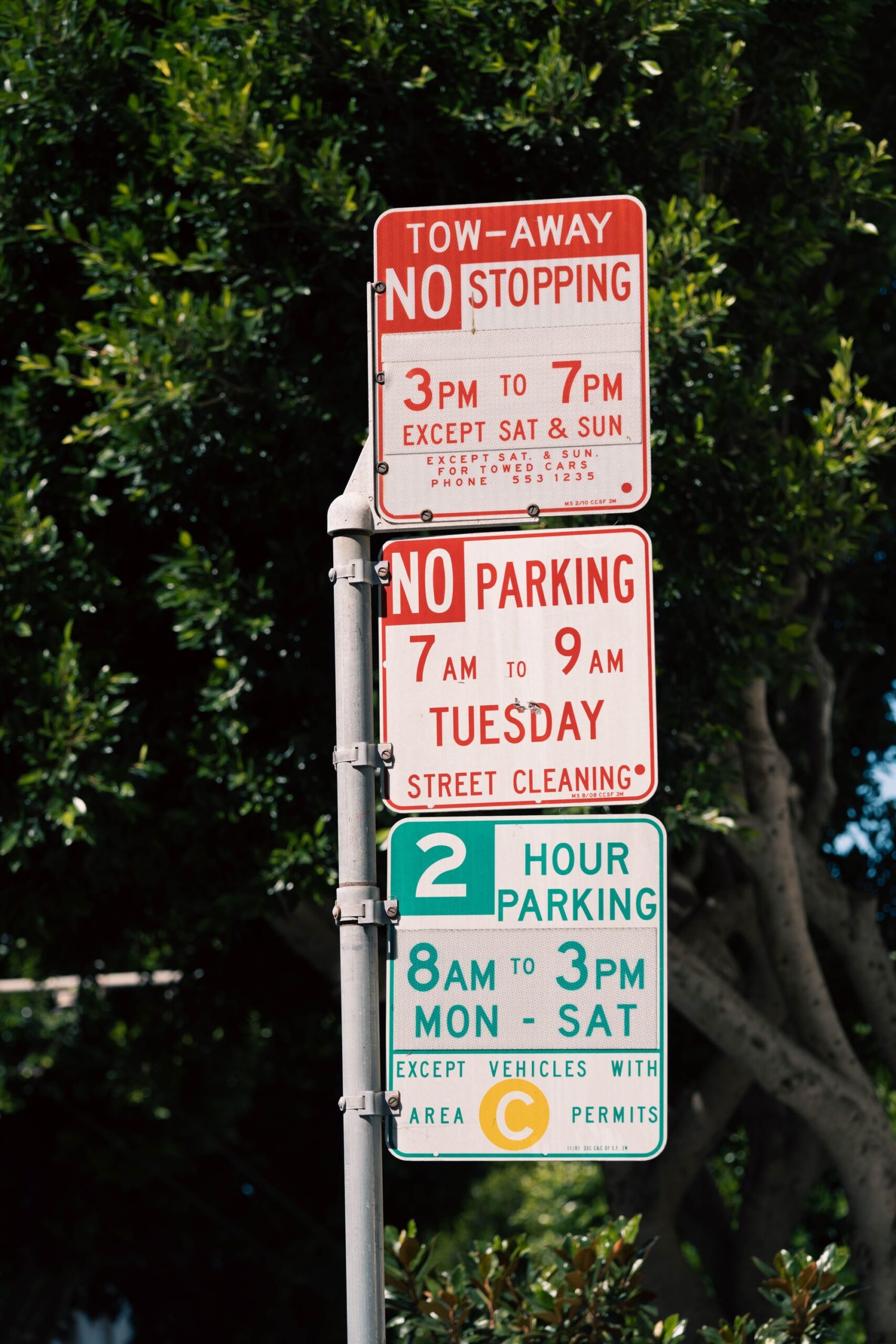
The SDOT RPZ fact sheet (April 2025) says on-street parking in an RPZ is typically limited to two or four hours for vehicles without a permit. The exact limit and hours depend on the zone, so read the signs on your block rather than assuming. You can also look at how this fits with car and car free living at The Fifteen.
Which RPZ zone covers North Capitol Hill?
SDOT lists two zones on the hill: Zone 4 is named Capitol Hill and Zone 12 is named North Capitol Hill. SDOT’s permit expiration page lists both, and its fee table shows a standard $95 for Zone 12 and for Zone 4 Area 2, with Zone 4 Area 1 listed at $0 in the same table.
We could not confirm from a map which zone a specific address on 15th Ave E falls in, because the boundary is only visible in SDOT’s interactive map. Use the address lookup tool linked from the RPZ permits page. If your home sits directly next to a brown line on the map, SDOT says you are eligible.
What is different about 15th Ave E itself?
SDOT’s Community Access and Parking Program page says that in 2023 it added 2 hour paid parking, 8 AM to 8 PM, on 15th Ave E between E Mercer Street and E Denny Way. That is a separate system from the RPZ. A resident permit does not replace paying at a pay station in most zones, and SDOT lists only Zones 7, 21, 24 and 25 as having overlap rules.
Who can get a resident RPZ permit?
You can apply if your address is in a zone and your vehicle is registered in your name at that address. SDOT also allows non resident property owners to buy permits for the zone where their property sits, with a deed or similar proof of ownership.
Eligibility is tied to the address, not just the neighborhood. SDOT says that if your home sits directly next to a brown line on its zone map, you are eligible, so check the map or the address lookup tool before you gather documents. Permits do not transfer between zones if you move.
Business and employee permits are not issued in most dense neighborhoods, and SDOT names Capitol Hill on that list. Scooters and motorcycles do not need permits and may park with the same privileges as permit holders.
What documents do you need for an RPZ permit?
You need two documents: current proof of residency and a copy of your Washington State vehicle registration. Both must show your name and the RPZ address.
| Document | What SDOT accepts | Watch for |
|---|---|---|
| Proof of residency | Lease or rental agreement, utility bill, cell phone bill, bank statement, cable bill, or official dated mail | Must be dated within the last 30 days and show your name and address. Junk mail does not count. |
| Vehicle registration | Current Washington registration in your name at your address | Temporary registrations do not qualify for a full permit. Out of state registration is accepted only for active duty military or non resident students with proof. |
| Income proof (optional) | Documents such as SNAP, ORCA LIFT, or SHA rental assistance | Needed only for the $10 income eligible permit. |
If your registration still shows an old address, SDOT’s FAQ points to the online change of address process at the Washington Department of Licensing. If your name is not on the registration, you generally need to be added as an owner before you qualify.
How do you apply for an RPZ permit online?
You apply through the Seattle Services Portal after creating a profile. SDOT lists the steps on its RPZ page, and you drive on a temporary permit while it is reviewed.
- Look up your address with the RPZ address lookup tool to confirm it is eligible.
- Check your zone’s expiration date. If you are within 60 days of it, SDOT suggests a short term permit instead, because permits are not prorated.
- Gather proof of residency (dated within 30 days) and your Washington registration.
- Create or log in to your Seattle Services Portal profile.
- Look up your address, submit the application and upload your documents. You agree to the RPZ Conditions of Use.
- Watch your email. SDOT sends a 28 day temporary permit while the application is reviewed, then a 15 day temporary permit after it is processed.
- Confirm that your digital permit is active by logging in and opening My Records.
Questions go to the Traffic Permits Counter at (206) 684-5086 or rpzinfo@seattle.gov, Monday through Friday, 8:30 AM to 4:30 PM.
How much does an RPZ permit cost and how often does it renew?
The typical resident permit is $95 per vehicle, and most permits renew on a two year cycle. Every permit in a zone expires on the same date, not two years from the day you buy.
| Permit type | Typical fee (SDOT) | Key rule |
|---|---|---|
| Resident permit | $95 per vehicle | Up to four vehicles per address, digital and tied to your plate |
| Guest permit | $95 | One per address, a hangtag that moves between vehicles, for visitors only |
| Income eligible permit | $10 | Needs documentation of qualifying assistance |
| 60 day short term permit | $25 per 60 days | For a pending registration update, two consecutive at most |
| One day short term permit | $1 each | Up to five per day and 50 per year per address |
About six weeks before a permit expires, SDOT mails a renewal letter with a PIN. The fastest way to renew is in the Services Portal, under My Records. Because permits are not prorated, a permit bought just before expiration is a poor deal, which is why the short term options exist. SDOT lists Zone 12 as expiring on October 31 of even numbered years and Zone 4 on April 30 of odd numbered years. Check the expiration page for the current date for your zone.
Can guests park in an RPZ?
Yes, in two ways. Guests without a permit can park up to the posted time limit, or you can give them your guest permit hangtag. Seattle Municipal Code limits each household to one guest permit, and the guest permit cannot be used in your own car.
The guest permit is a hangtag that moves between visitors’ vehicles, so it works for a series of different visitors, but only one car can use it at a time. It is generally $95, the same as a resident permit, which makes it worth buying only if guests park on your block often. For a single visit, a $1 one day short term permit, with up to five per day and 50 per year per address, can cost far less.
Misusing a permit is expensive. SDOT’s FAQ says misuse can revoke eligibility for a year and bring fines up to $250. If you only need a space for a day, the $1 one day short term permit may be cheaper and simpler than lending out a hangtag. The one guest permit limit comes from SMC 11.16.315, as cited in the SDOT RPZ FAQ.
What tickets and mistakes should you avoid?
The most common problems are expired permits, the wrong plate on file, and staying too long without a permit. The Seattle Municipal Court parking penalty schedule, amended January 1, 2025, lists these amounts, which include assessments.
| Violation | SMC section | Amount |
|---|---|---|
| Parking in a Restricted Parking Zone without a permit past the limit | 11.72.351A | $78 |
| RPZ permit in an improper location on the vehicle | 11.72.351B | $43 |
| Illegal sale, purchase or possession of an RPZ permit | 11.72.351C | $250 |
| Parked over 72 hours on a city street | 11.72.440 | $65 |
- Do not assume a permit means a space. SDOT says having a permit does not guarantee parking near your home.
- Do not leave a car on the street for more than 72 hours, even with a permit. Citywide law applies, and the Seattle Police Department enforces it.
- Do not wait until your zone is about to expire to buy a two year permit.
- If you move to a new zone, apply again. Permits do not transfer between zones.
If you believe a ticket was issued in error, follow the directions on the ticket envelope. Citations go through Seattle Municipal Court.
What are the alternatives to street parking on Capitol Hill?
The main alternatives are an off street parking space or living without a car. A leased space removes the permit process, the time limits and the daily search for a spot. Capitol Hill is also one of the easier places in Seattle to go car free. The Walk Score page for 605 15th Avenue East shows a score of 92 out of 100 and describes the address as a place where daily errands do not require a car.
For transit, read our guide to Bus 10 and light rail from North Capitol Hill. For cycling, see why The Fifteen works for riders. For the calmer side of the neighborhood, read our guide to quiet apartments on the north end.
Parking and getting around at The Fifteen
The Fifteen’s amenities page lists controlled access car parking, controlled access bike storage and controlled building access at 605 15th Avenue East. The same page also lists easy access to public transit, cycle share and ZipCar, and a Walk Score of 92. Ask the leasing team about parking availability and terms, since this post does not cover them.
On the neighborhood page, The Fifteen says Metro Route 10 runs along 15th Avenue East, and the Capitol Hill light rail station is about a 12 to 15 minute walk away. From the station, the 1 Line reaches downtown Westlake in about 5 minutes. Volunteer Park is a 5 to 10 minute walk north. The building says you do not need a car to live well there, though parking is available if you have one.
If you do keep a car, ask which zone your address falls in, whether a resident permit applies to your situation, and how the building’s parking works. Our 15th Avenue East guide and the North Capitol Hill apartments guide show what is within walking distance.
Frequently Asked Questions
How much is a Seattle RPZ permit?
SDOT lists the typical resident permit at $95 per vehicle for a two year cycle. Some zones are subsidized, so the first vehicle can cost less, and an income eligible permit is $10. Check the fee table for your zone.
What is the RPZ zone for North Capitol Hill?
SDOT lists North Capitol Hill as Zone 12 and the rest of Capitol Hill as Zone 4, but which one covers your address depends on your block, so use the address lookup tool on the RPZ permits page.
Can I get a guest parking permit in Seattle?
Yes. Each address can have one guest permit, generally $95, issued as a hangtag. It is for visitors and cannot be used in your own vehicle.
What do I need to apply for an RPZ permit?
You need proof of residency dated within 30 days and a Washington registration in your name at the RPZ address. Apply online through the Seattle Services Portal.
How long does an RPZ permit last?
An RPZ permit lasts about two years, and every permit in a zone expires on the same date. SDOT lists Zone 12 as expiring October 31 of even numbered years and Zone 4 on April 30 of odd numbered years.
What happens if I park in an RPZ without a permit?
You can park there only up to the posted time limit; past that limit you risk a ticket, and the Seattle Municipal Court schedule lists a $78 infraction. A vehicle left on a city street more than 72 hours risks a $65 infraction.
Does an RPZ permit let me skip paid parking?
No. An RPZ permit does not exempt you from paying at a pay station in most zones, and SDOT lists only Zones 7, 21, 24 and 25 as having overlap rules.
Planning your parking before you move to Capitol Hill
Seattle’s RPZ program is easy to use once you have the right documents, but it is not a guarantee of a space. Confirm your zone, gather proof of residency and registration, and decide whether a street permit, an off street space or no car suits your routine. Rules, fees and dates change, so confirm them with SDOT before you apply. This post is general information, not legal advice.
If you are comparing homes on the quiet north end, see The Fifteen’s floor plans and call 206-489-2747 to ask about parking.

